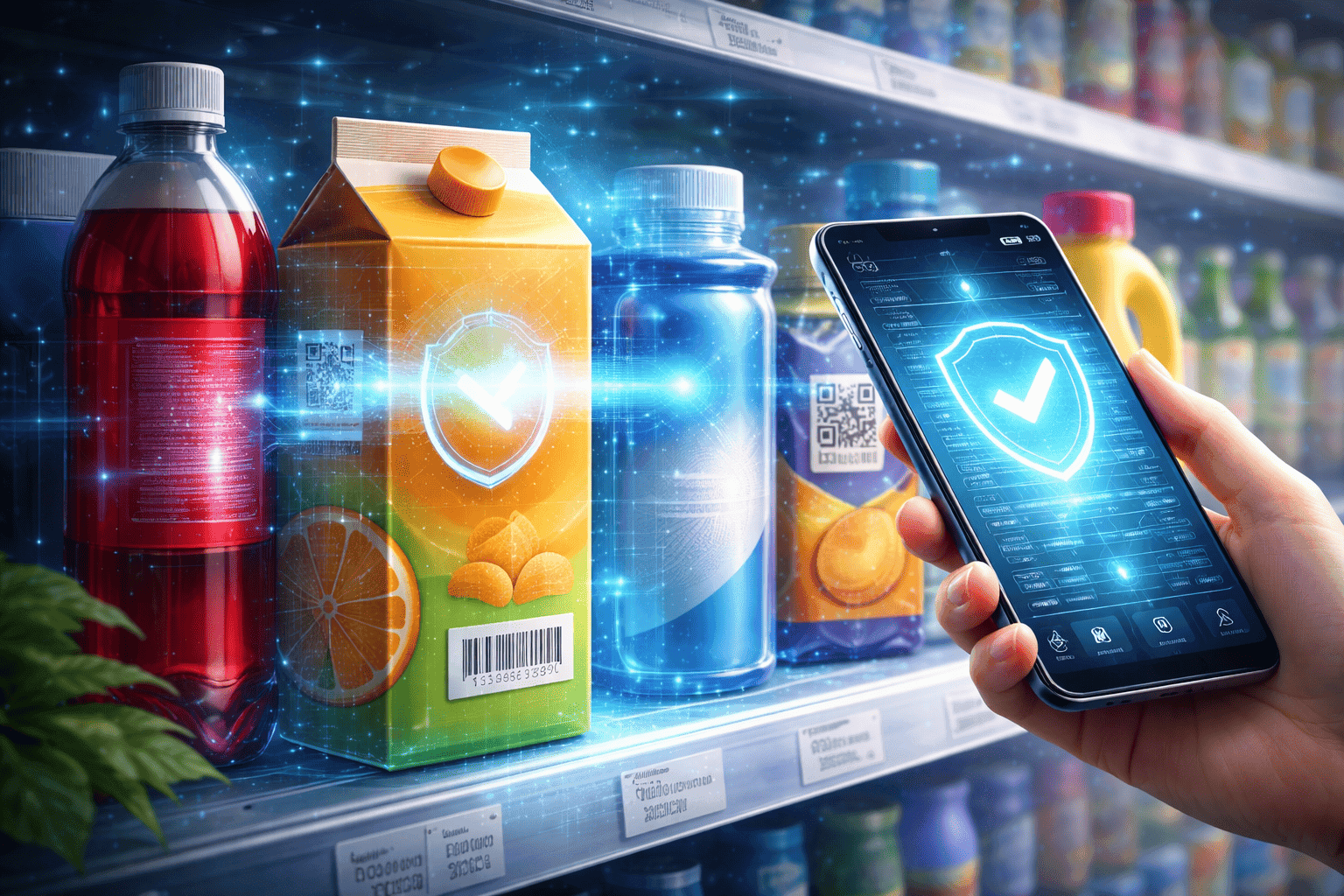
Real-time monitoring for effective Brand Protection

Real-Time Monitoring for Effective Brand Protection
Brand protection is no longer just about putting deterrents into packaging and hoping counterfeiters don't slip through. In today's fast-evolving market and supply chain conditions, real-time monitoring has become a critical pillar for brand defense. It's how large enterprises detect, respond to, and prevent counterfeit activity before it causes significant damage to revenue, reputation, and customer trust.
A reactive approach—finding fakes only after they have saturated channels—is obsolete. Brands need visibility across their entire supply chain and digital ecosystem, with data updated continuously and accessible instantly. That's what real-time monitoring delivers.
Modern brand protection monitoring systems go far beyond simple alerts. They combine physical product authentication with online brand protection monitoring — tracking threats across e-commerce platforms, grey markets, and digital channels in real time — to give brands a unified view of every threat vector simultaneously.
Why Real-Time Visibility Matters More Than Ever
The global counterfeit market, with an estimated annual value near $467 billion, grows as counterfeiters improve agility and leverage technology. Generative AI helps counterfeiters replicate packaging flawlessly. E-commerce platforms allow instant global distribution of fake products. The time between manufacture, sale, and detection of fakes has shrunk dramatically from months to days or even hours.
Real-time monitoring systems give brands the eyes they need everywhere. They enable immediate alerts on suspicious activity: unauthorized scanning attempts, patterns of counterfeit verification failure, suspicious geolocation trends, or unusual purchasing behaviors in specific channels.
Early detection allows enforcement teams to act fast. Shutting down new counterfeit operations before they scale saves millions of dollars of lost revenue and irreparable brand damage.
The Technology Landscape: What Drives Real-Time Brand Protection
Modern real-time brand protection systems integrate several core technologies:
Invisible cryptographic signatures embedded inside packaging artwork at prepress. These invisible markers authenticate products without altering packaging design or manufacturing process.
Smartphone and IoT-enabled scanning that lets anyone verify product authenticity on the spot, with results instantly uploaded to brand-managed cloud platforms.
AI-driven analytics and anomaly detection that mine scanning data for patterns of counterfeit concentration, suspicious channel behavior, or emerging hotspots.
Dynamic enforcement dashboards presenting actionable intelligence to brand protection teams, legal staff, and supply chain managers, enabling precision resource allocation.
Real-time consumer engagement tools that empower buyers with authentication insights and create new loyalty loops based on verified purchasing.
Benefits of Real-Time Monitoring
The ROI begins with loss prevention but extends far beyond:
Reduced Revenue Leakage: By spotting counterfeits immediately and blocking them quickly, brands salvage markets and sales that otherwise vanish.
Legal and Enforcement Efficiencies: Targeted investigations and takedowns reduce legal costs and improve success rates.
Enhanced Consumer Trust: Instant verification at purchase points reassures consumers, reducing the risk of negative experiences linked to fakes.
Supply Chain Integrity: Real-time data identifies vulnerable partners or regions, empowering brands to audit and replace weak links.
Regulatory Compliance: Many regulations now require track and trace data with strict timelines. Real-time monitoring meets and exceeds these demands.
Brand Protection Monitoring vs Online Brand Protection Monitoring: Understanding the Scope
Enterprise brand protection teams often use these terms interchangeably, but they address different parts of the threat landscape:
Brand protection monitoring in its broadest sense covers the full spectrum — physical product authentication, supply chain track-and-trace, field verification, and distribution channel surveillance. It applies from the factory floor to the consumer's hands.
Online brand protection monitoring focuses specifically on digital threat surfaces: marketplace listings, social media impersonation, paid search abuse, phishing domains, and app store fakes. It requires continuous crawling of e-commerce platforms and social networks to catch violations within hours of appearing.
Best-in-class platforms connect both layers — physical authentication data informing online enforcement, and online violation patterns revealing supply chain leakage points. This unified approach is what separates a true brand protection monitoring system from a point solution that only watches one channel.
Getting Started: Implementing Real-Time Monitoring
Audit Your Ecosystem: Map products, supply chains, channels, e-commerce platforms, and existing authentication points.
Adopt Integrated Technology: Choose authentication solutions that embed invisible signatures and provide open APIs for real-time data ingestion.
Build Analytical Capability: Deploy AI and machine learning modules that turn raw scan data into meaningful insights and alerts.
Align Cross-Functional Teams: Brand protection, legal, supply chain, and marketing teams must share data and act on insights collaboratively.
Set KPIs and Review Cadence: Track counterfeit detection rates, enforcement response times, consumer verification volumes, and revenue protection metrics monthly.
How Ennoventure Delivers Brand Protection Monitoring at Scale
Ennoventure’s platform is purpose-built for continuous, enterprise-grade brand protection monitoring. Our invisible authentication layer embeds cryptographic signatures directly into existing packaging artwork — no new materials, no QR codes, no visible changes. Every scan generates a real-time data point that feeds into our brand protection monitoring dashboard.
From there, AI-powered analytics surface anomaly patterns: counterfeit hotspots by geography, suspicious scan clusters that indicate diversion, and consumer verification trends that correlate with market intelligence. The result is brand protection monitoring that is proactive, not reactive — identifying emerging threats before they become revenue events.
For online brand protection monitoring, our platform integrates with marketplace surveillance tools to connect physical product data (which SKUs are being counterfeited) with online listing data (where they’re being sold). This closed-loop intelligence is what makes enforcement fast and precise.
Ready to see what real-time brand protection monitoring looks like in practice? Talk to the Ennoventure team.
FAQs
What is the difference between Digital Brand Protection and Invisible Authentication?
Digital Brand Protection covers online surfaces — marketplaces, social platforms, forums, and news. Invisible Authentication secures the physical product and its packaging. Together they form a complete protection stack: digital intelligence flags threats, and physical authentication provides legal-grade proof.
Do I need to use both Online Brand Protection and Chirper?
Both can be used independently or as a combined Digital Brand Protection suite. Brands typically start with the surface where their risk is highest and expand as needs grow.
Which marketplaces and social platforms are covered?
Online Brand Protection covers 50+ global marketplaces including Amazon, Flipkart, Alibaba, AliExpress, Tmall, Walmart, Shopee, Lazada, Mercado Libre, JD.com, and eBay. Chirper monitors Reddit, X, news sites, forums, review sites, trade publications, and brand communities.
How quickly can threats be detected and acted on?
Marketplace takedowns are initiated within 24 hours of threat classification. Social conversation alerts arrive in under one hour from when a relevant discussion begins.
Does this require integration with our internal systems?
No technical integration is required. You provide your brand keywords, product names, and target marketplaces. Everything runs through a cloud dashboard.
Which industries does Digital Brand Protection serve?
Digital Brand Protection is built for pharmaceuticals, consumer goods, luxury, FMCG, automotive aftermarket, electronics, and specialty chemicals — industries where pricing discipline, authenticity, and brand trust are mission-critical.