Digital Brand Protection Tools: How They Work Together

How digital brand protection tools work together
In today's competitive market, protecting your intellectual property is key. Innovative brand protection technology solutions are now available to help you safeguard your assets.
The rise of counterfeiting and infringement has made it essential for businesses to adopt digital brand protection techniques. This not only helps in maintaining customer trust but also protects revenue.
Effective intellectual property monitoring is key to identifying potential threats early. By leveraging the latest brand protection technology, companies can stay ahead of counterfeiters and ensure their brand's integrity.
Brand protection is crucial in today's competitive market.
Innovative solutions are available to safeguard intellectual property.
Digital brand protection techniques help maintain customer trust.
Intellectual property monitoring is essential for early threat detection.
Leveraging brand protection technology ensures brand integrity.
The Rising Threat to Brand Integrity in Today's Market
As the world gets smaller, the risk to brand integrity grows. This makes protecting brands more important than ever. Today, we see more counterfeiting and brand infringement than ever before. It's a big threat to businesses all over the world.
Global Counterfeiting Statistics
Counterfeiting is booming, with the global market expected to hit $1.82 trillion by 2025 Counterfeit consumer good. This is a huge threat to brands. Counterfeit goods are sneaking into markets like luxury items, medicines, and electronics.
Counterfeit goods make up 3.3% of global trade.
The International Chamber of Commerce says counterfeiting costs businesses $323 billion a year.
Online platforms are becoming hotspots for fake sales, making it harder to protect brands.
Digital Transformation Impact
The digital world has changed how businesses work. But it's also made brands more vulnerable. Digital channels offer great chances for growth but also bring new risks. These include:
More chances for counterfeiters to sell fake products.
It's harder to keep an eye on and control brand presence online.
There's a rise in smart cyber-attacks on brand assets.
True Cost of Infringement
Brand infringement is more than just money lost. It also hurts consumer trust and damages a brand's reputation. The real cost includes:
Lost revenue from counterfeit sales.
Legal and investigation costs to fight infringement.
Damage to brand reputation and loyalty.
To fight these risks, companies are using ROI-fighting counterfeits anti-counterfeiting solutions, brand monitoring tools, and online brand security. They aim to protect their brand's integrity.
Understanding Brand Protection Technology
In today's digital world, it's crucial for businesses to know about brand protection software. This tech isn't just for protecting products. It's also about keeping the brand's reputation and money safe.
Core Components
Brand protection technology uses advanced tech to watch over a brand's intellectual property. It has two main parts: trademark monitoring services and counterfeit detection software. These work together to spot potential fake products and infringements.
Trademark monitoring services keep an eye on how a brand's trademarks are used online.
Counterfeit detection software uses smart algorithms to find fake products.
Evolution to Digital
Brand protection technology has changed a lot. Old methods like holograms and serial numbers are now replaced by digital tools. Digital watermarking and blockchain technology offer better security and tracking.
Technological Innovations
Some big tech advancements in brand protection include:
Artificial intelligence and machine learning for smart predictions.
Blockchain for safe and clear supply chain management.
Digital watermarking for checking if products are real.
These new techs make it hard for counterfeiters to hide. They help protect brands and their customers.
Why Brand Protection Has Become Critical
As markets change, protecting brands becomes more important. Globalization and online shopping open new doors for brands. But, they also bring new risks that can harm a brand's image.
One big worry is channel leakage and revenue loss. When products go to unauthorized sales channels, it means lost money and a weaker brand. It's key to have strong brand infringement prevention plans to avoid this.
Channel Leakage and Revenue Loss
Channel leakage happens when products are sold without permission, often cheaper. This hurts sales and messes with the brand's pricing plans.
Loss of revenue due to unauthorized sales
Dilution of brand value
Potential damage to brand reputation
Grey Market Issues
The grey market sells real products through channels not approved by the brand. This is a big problem because it can break online brand security grey market pharmaceuticals.
Impact | Description |
|---|---|
Revenue Loss | Grey market sales erode authorized channel revenue |
Brand Dilution | Unauthorized sales can dilute brand exclusivity |
Warranty Issues | Products sold through grey markets often lack valid warranties |
Unauthorized Resale Challenges
Unapproved sales of products are a big challenge. They can make it hard to protect a brand online. Brands need strong plans to watch and control online sales.
By facing these challenges and using good brand protection, companies can keep their brand safe. This helps keep customer trust.
The Mechanics of Modern Brand Protection Technology
Today, advanced brand protection methods are used to keep products genuine. These technologies work together to fight against fake products and brand theft.
Invisible Covert Signals
Invisible covert signals are a big step in brand protection advantages of covert anti-counterfeiting. These hidden messages are put in products or packaging. They can only be seen with special tools. They help keep fake products from being sold.
Packaging Integration
Security features are now part of packaging. This includes things like holograms and watermarks. These features are not only good at stopping fakes but also save money and are better for the environment.
Smartphone Verification
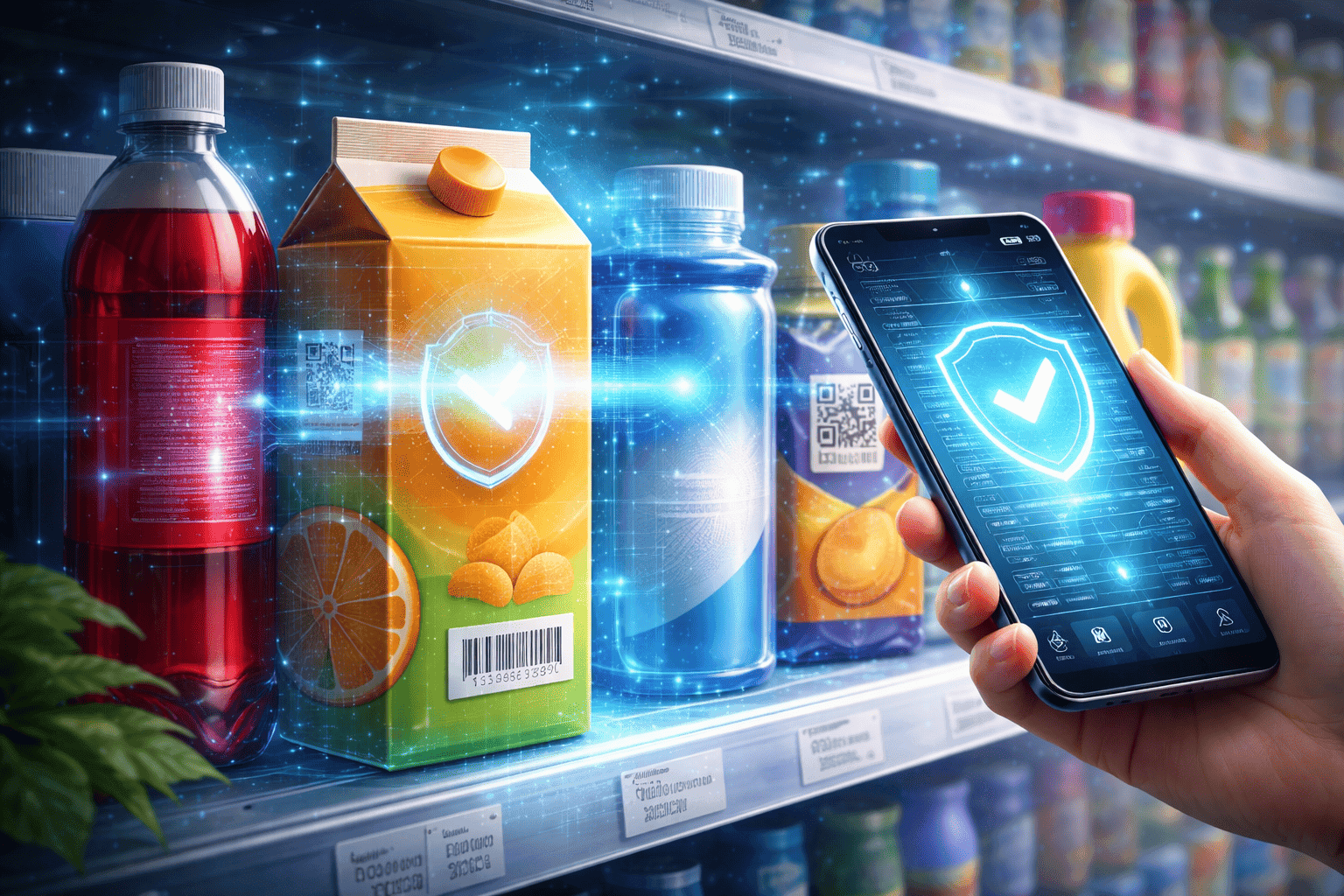
Smartphones let people check if a product is real. They can scan a QR code or use an app mobile verification. This helps both buyers and sellers know if a product is genuine.
Cloud-Based Analytics and Monitoring
Cloud-based analytics are key in brand protection today. They watch for security threats in real-time. This helps brands act fast to stop fake products.
By using these technologies, brands can protect themselves and gain trust from customers. As fake products get smarter, brands must keep up with new ways to protect themselves.
Brand Protection in the FMCG Industry
The Fast-Moving Consumer Goods (FMCG) industry has big challenges in keeping its brands safe. It deals with counterfeiting and unauthorized sales. With complex global supply chains and lots of sales, FMCG companies are at high risk of brand infringement FMCG consumer goods.
FMCG Challenges
FMCG products move fast and are sold everywhere, making them easy targets for fake goods. Counterfeiters can easily make fake versions of popular FMCG products, causing money loss and health risks. The rise of online shopping has made these problems worse, as it can help sell fake items.
Implementation Strategies
FMCG companies are fighting back with new brand protection technologies. They use digital methods and watch trademarks closely. They also put secret codes in packaging that can be checked with apps. And, they make their supply chains strong to track and check products FMCG spice brand case study.
Success Metrics
Measuring success in brand protection for FMCG is key. It includes fewer fake products, better distributor behavior, and more trust from customers. For example, a big FMCG company used a digital check system. It cut down fake products a lot and made customers more loyal. These stories show how brand protection tech can really help FMCG brands stay safe.
Pharmaceutical Sector
The pharmaceutical industry is under attack from fake medicines. These fake drugs risk the health of patients. They also harm the financial health of drug companies pharmaceuticals healthcare.
Patient Safety
Fake medicines can have dangerous ingredients or wrong doses. They can even be empty of the real drug. This can lead to serious health problems or even death.
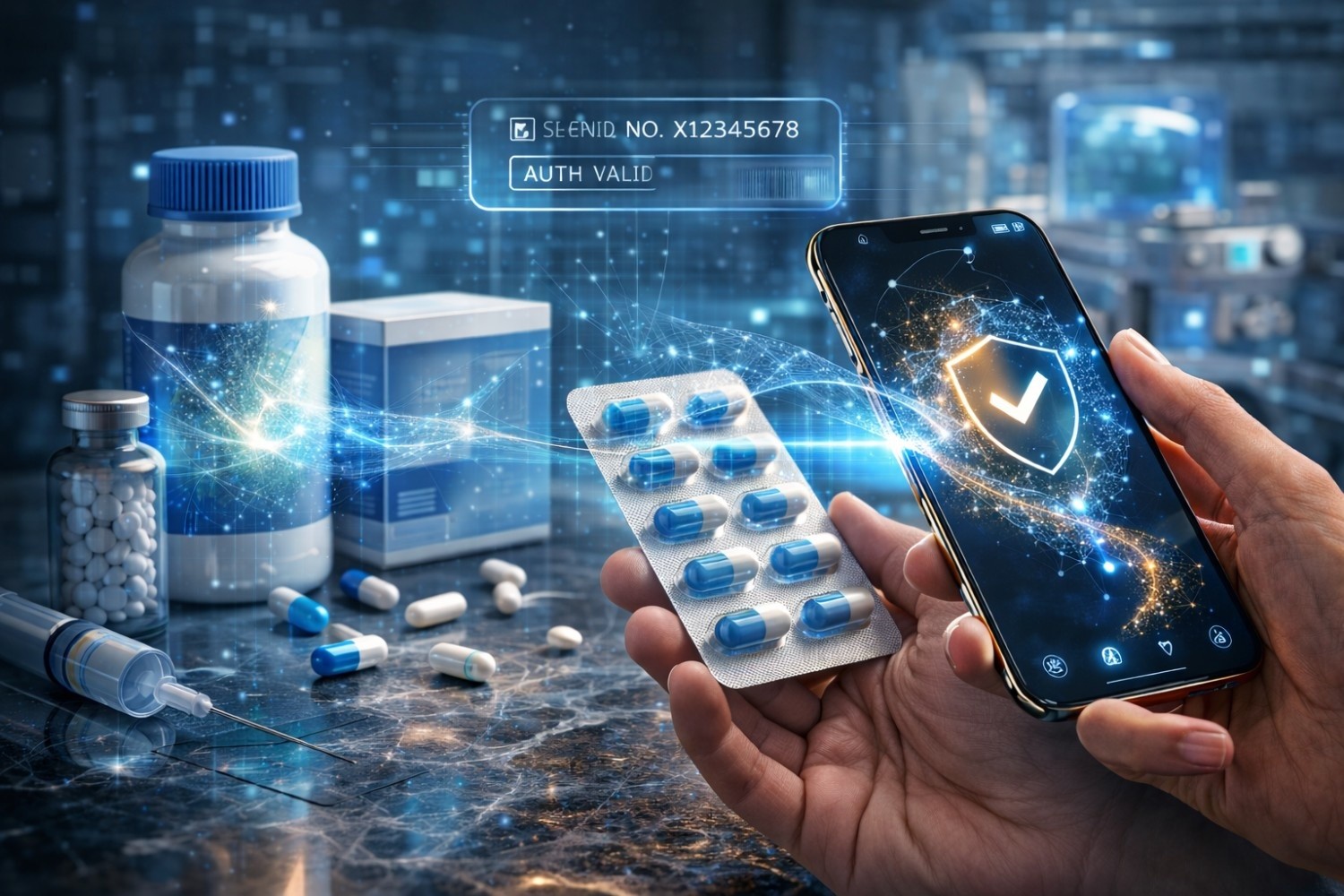
Brand protection technology is key to keeping patients safe. It checks if medicines are real. Anti-counterfeiting solutions like serialization help track products pharmaceutical serialization. This makes it harder for fakes to get into the market.
Regulatory Compliance
Drug companies must follow strict rules to stop counterfeiting. Laws like the Drug Supply Chain Security Act (DSCSA) in the U.S. require brand monitoring tools. These tools help track and verify medicines.
Anti-Counterfeiting for Meds
Drug companies use intellectual property monitoring and new ways to check if medicines are real. They include:
Serialization: Giving each product a unique code.
Aggregation: Tracking products at different levels of packaging.
Covert and overt security features: Adding special marks that can be seen or hidden in packaging.
These technologies help protect brands, meet rules, and most importantly, keep patients safe.
Alcohol Industry Security
Keeping alcohol products genuine is key to keeping customers' trust and safeguarding brand reputation. The alcohol world is at risk from fake goods makers. They harm brands and can even risk people's health.
Premium Approaches
Premium alcohol brands need top-notch protection. Brand protection technology is crucial, with tools like advanced serialization and track-and-trace systems. These help keep an eye on where products come from.
Combating Tampering
Fake goods makers often fill or mess with real packaging. To fight this, brands use digital brand protection techniques. They include invisible inks, holograms, and secure caps that are hard to fake.
Consumer Trust Measures
It's vital to build trust with customers. Brands do this by using online brand security steps. They run education campaigns and set up systems for checking product authenticity with smartphones.
Protection Measure | Description | Benefit |
|---|---|---|
Advanced Serialization | Unique identifiers for each product | Enhanced traceability |
Invisible Inks | Covert markings on packaging | Deters counterfeiters |
Consumer Verification Systems | Smartphone-based authenticity checks | Increases consumer trust |
Luxury Goods Exclusivity
Luxury brands are using technology to keep their products exclusive. The luxury market is at risk for counterfeiting because of its high value and prestige. Fake luxury items are hard to tell from real ones, making it tough for buyers and sellers luxury goods apparel.
Authentication Challenges
It's hard to tell if luxury goods are real or fake. Counterfeiters are getting better at making fake items that look real. Trademark monitoring services help spot and stop fake goods.
Digital Certificates
Digital certificates of authenticity are a new way to keep items genuine. Each product gets a unique code that can be checked with a smartphone app or website. This tech stops counterfeiting and lets buyers know their items are real.
Consumer Engagement
Technology for brand protection also helps luxury brands connect with customers. It builds trust and strengthens the bond between brands and buyers. This tech can also offer personalized shopping experiences, making the luxury shopping journey better.
Technology | Benefits | Applications |
|---|---|---|
Digital Certificates of Authenticity | Prevents counterfeiting, Verifies product authenticity | Luxury goods, High-value items |
Counterfeit Detection Software | Detects fake products, Protects brand reputation | Retail, Online marketplaces |
Trademark Monitoring Services | Monitors trademark infringement, Prevents brand abuse | Global brand protection, E-commerce platforms |
Automotive and Electronics
The automotive and electronics industries have complex supply chains. They need advanced anti-counterfeiting solutions. This is because their products are made and distributed all over the world automotive aftermarket.
Component Protection
Protecting individual components is key in these industries. A fake part can ruin an entire product. Brand monitoring tools help track components to ensure they are real.
Effective strategies include:
Implementing unique identifiers for components
Using secure packaging to prevent tampering
Conducting regular audits of suppliers
Warranty Systems
Warranty validation is vital for brand protection. Warranty validation systems check if products are genuine. This stops fake items from being sold.
Industry | Warranty Validation Method | Benefits |
|---|---|---|
Automotive | Serial number verification | Prevents counterfeit parts, ensures customer safety |
Electronics | QR code authentication | Verifies product authenticity, reduces warranty claims |
Combating Counterfeit Parts
Stopping counterfeit parts needs a team effort. This includes intellectual property monitoring and working with law enforcement. Together, they can catch and punish counterfeiters, keeping brands and customers safe.
Key measures include:
Monitoring online marketplaces for counterfeit listings
Conducting regular supply chain audits
Educating consumers on the risks of counterfeit products
Business Value
Brand protection technology does more than just stop counterfeits. It helps keep a brand's image strong. It also makes operations smoother and can increase sales ROI calculator.
Revenue Recovery
Brand protection tech helps companies get back lost money from fake goods and unauthorized sales. It finds and fixes leaks in the sales channel. This way, businesses can stop money from slipping away to counterfeiters or unauthorized sellers.
Distributor Compliance
This tech also keeps an eye on distributors to make sure they follow the rules. It makes sure they stick to agreements and brand standards. This reduces the chance of the brand getting watered down and keeps the distribution network in check.
Marketplace Control
With more shopping happening online, it's harder to keep a brand's image consistent across all platforms. Brand protection tech helps watch online stores, spot fake sellers, and act fast to protect the brand's image.
Legal Evidence
Having strong evidence is key when fighting brand infringement in court. Brand protection tech gathers and keeps records of counterfeiting or infringement. This gives companies a strong case and helps them enforce their rights.
By using brand protection technology, companies can fight off counterfeits and protect their brand. It also opens up new chances for growth and recovering lost revenue. As the market keeps changing, the need for digital brand protection techniques and online brand security will grow. It's vital for businesses to invest in these tools to protect their brand's future.
Building Consumer Trust
Verification is now key for brands wanting to keep their customers loyal and trusting. With fake products getting better, brands must use counterfeit detection software to prove their products are real.
Direct Authentication
Direct ways for customers to check if a product is genuine are important. This can be done with unique codes on packaging that can be checked online or through a mobile app. Brands can use trademark monitoring services to manage these checks well.
Trust Signals
Trust signals are key to keeping customers coming back. When people can easily check if a product is real, they trust the brand more. Strong brand infringement prevention not only guards the brand but also boosts consumer trust.
Educational Initiatives
Teaching people how to spot real products is crucial for trust. Brands can start educational efforts on social media and in stores. This openness helps build a loyal customer base.
Verification Method | Description | Impact on Consumer Trust |
|---|---|---|
Unique Codes on Packaging | Consumers can check a unique code on the product packaging online or through an app to verify authenticity. | High - Direct and easy verification process. |
Educational Initiatives | Brands educate consumers on how to identify genuine products through various campaigns. | Medium - Empowers consumers but requires engagement. |
Trademark Monitoring Services | Brands use specialized services to monitor and protect their trademarks. | High - Proactive measure against counterfeiting. |
Invisible Infrastructure
Brand protection has moved beyond just visible security. Now, it focuses on invisible infrastructure. This change is because we need smarter anti-counterfeiting solutions. These solutions must stop counterfeiters without being obvious smart packaging.
Moving Beyond Visible Security Features
Old methods like holograms and watermarks are now joined by new, hidden technologies. These include:
Chemical markers that are invisible to the naked eye
Micro-tagging that requires special tools to find
Digital watermarking that can be checked with smartphone apps
These brand monitoring tools help brands stay safe without ruining their products' look or function.
Packaging Integration
Modern invisible tech fits well with current packaging. It does this by:
Adding micro-tags or chemical markers to labels or packaging
Using digital printing to hide digital watermarks
This makes brand protection easy and affordable for all kinds of businesses.
Cost-Effectiveness
These hidden solutions are also very cost-effective. By using intellectual property monitoring tech, brands can:
Lower counterfeiting rates
Keep their profits safe
Build trust with customers by proving products are real
Ennoventure leads in this new field, offering top-notch ways to protect brands.
Measuring ROI from Brand Protection Investments
Understanding the return on investment (ROI) from brand protection technology is key for businesses. They need to see how well their security measures work. This helps them know if their investments are paying off.
Key Performance Indicators
To figure out the ROI of brand protection, businesses should watch a few important signs. These signs include:
Counterfeit reduction rates
Revenue recovery from stopping counterfeiters
Distributor compliance getting better
Consumer trust and loyalty going up
Data Analysis
Getting and analyzing data is vital for measuring ROI. Companies can use:
Cloud-based analytics to keep an eye on brand protection
Smartphone verification systems to see how many try to fake products
Supply chain monitoring to find and fix weak spots
Long-Term Value
Looking at the long-term value of brand protection investments is important. It shows how these investments affect the company's reputation, customer loyalty, and sales. By looking at both short-term and long-term effects, businesses can really understand their brand protection ROI.
The Future of Brand Protection Technology
New technologies are changing how businesses protect their brands. As counterfeiting gets smarter, companies are using new ways to keep their ideas safe. This helps keep their customers' trust.
AI and ML Applications
Artificial intelligence (AI) and machine learning (ML) are leading in brand protection. They help with trademark monitoring services better than old methods. AI looks at lots of data to spot fake products or unauthorized use AI against counterfeits in automotive.
Blockchain Possibilities
Blockchain is a big help for brand protection. It makes supply chains safer and more open. With counterfeit detection software, it keeps track of where products come from. This stops fake goods and makes sure rules are followed.
Digital Infrastructure
New digital tech is also key for brand safety. It's hidden in products or packaging, making it hard for fakes to copy. This tech, with other checks, fights off brand infringement prevention problems well.
Technology | Application | Benefit |
|---|---|---|
AI and Machine Learning | Advanced trademark monitoring | Enhanced detection of infringements |
Blockchain | Secure supply chain management | Prevention of counterfeiting and improved compliance |
Invisible Digital Infrastructure | Covert authentication technologies | Robust defense against brand infringement |
Conclusion
The digital world is always changing, making brand protection technology more important than ever. Brands today face many dangers, like counterfeiting and intellectual property theft. It's key to use intellectual property monitoring and digital brand protection techniques to keep a brand safe and respected.
Different industries, from food and beverages to luxury items, have their own brand protection challenges. But, with the right brand protection tech, they can reduce risks and look forward to a secure future.
Companies that invest in strong brand protection can protect their earnings and gain customer trust. As technology gets better, it's vital for brands to keep up and use the latest brand protection tools.
To keep a brand safe in the digital age, businesses need to be proactive about protection. By understanding the role of brand protection tech and using smart strategies, companies can protect their brands and succeed in a complex market.
FAQ
What is brand protection technology, and how does it work?
Brand protection technology uses advanced solutions to fight counterfeiting and unauthorized use. It includes digital watermarking and cloud-based analytics. These tools are integrated into products or packaging for real-time monitoring.
Why is brand protection critical in today's market?
Brand protection is key because of growing threats like counterfeiting and unauthorized sales. These threats can cause big losses, harm reputation, and lose customer trust. Good brand protection technology helps fight these risks.
How does brand protection technology benefit industries like FMCG and pharmaceuticals?
For FMCG, it fights counterfeiting and keeps products genuine. This keeps consumer trust high. In pharmaceuticals, it's vital for patient safety by stopping fake drugs and ensuring rules are followed.
What are the key components of modern brand protection technology?
Today's brand protection includes invisible signals, packaging methods, and smartphone checks. Cloud-based analytics and monitoring are also key. Together, they offer a full solution for verifying product authenticity and tracking distribution.
How can companies measure the ROI of their brand protection investments?
Companies can track ROI by looking at revenue gains, better distributor behavior, and control over markets. Data analysis and long-term value assessment are also important for judging brand protection tech's success.
What future trends are expected to shape brand protection technology?
The future will see brand protection tech improved by AI, blockchain, and digital infrastructure growth. These advancements will make brand protection stronger and more effective.
How does brand protection technology help build consumer trust?
It builds trust by allowing direct product checks and trust signals. Educational efforts also play a part. This way, brands can be open and loyal, strengthening their bond with customers.
FAQs
What is the difference between Digital Brand Protection and Invisible Authentication?
Digital Brand Protection covers online surfaces — marketplaces, social platforms, forums, and news. Invisible Authentication secures the physical product and its packaging. Together they form a complete protection stack: digital intelligence flags threats, and physical authentication provides legal-grade proof.
Do I need to use both Online Brand Protection and Chirper?
Both can be used independently or as a combined Digital Brand Protection suite. Brands typically start with the surface where their risk is highest and expand as needs grow.
Which marketplaces and social platforms are covered?
Online Brand Protection covers 50+ global marketplaces including Amazon, Flipkart, Alibaba, AliExpress, Tmall, Walmart, Shopee, Lazada, Mercado Libre, JD.com, and eBay. Chirper monitors Reddit, X, news sites, forums, review sites, trade publications, and brand communities.
How quickly can threats be detected and acted on?
Marketplace takedowns are initiated within 24 hours of threat classification. Social conversation alerts arrive in under one hour from when a relevant discussion begins.
Does this require integration with our internal systems?
No technical integration is required. You provide your brand keywords, product names, and target marketplaces. Everything runs through a cloud dashboard.
Which industries does Digital Brand Protection serve?
Digital Brand Protection is built for pharmaceuticals, consumer goods, luxury, FMCG, automotive aftermarket, electronics, and specialty chemicals — industries where pricing discipline, authenticity, and brand trust are mission-critical.