Anti-Counterfeiting Technology


Anti-Counterfeiting Technology refers to the set of physical, digital, and data-driven tools used by brands, manufacturers, and regulators to prevent, detect, and respond to counterfeit products. These technologies work together to secure packaging, verify product authenticity, monitor grey-market activity, and give stakeholders confidence that a product is genuine before it reaches the consumer. They are applied in high-risk categories such as medicines, food, cosmetics, agrochemicals, electronics, and automotive parts, where fake goods can cause serious safety, financial, or reputational damage.

Why this matters for Brand Protection / Anti-counterfeiting

Counterfeiting is a global problem that drains legitimate revenue, undermines innovation, and erodes consumer trust in established brands. In many markets, counterfeit consumer goods and falsified medicines are widely available and often indistinguishable from genuine products to the naked eye, which means traditional, purely visual security features alone are no longer enough.

Effective Anti-Counterfeiting Technology allows brand owners to move from reactive investigations to proactive risk prevention and real-time response. By embedding secure identifiers into intelligent packaging and linking every unit to digital records, brands can trace product movement, identify diversion patterns, and give distributors, retailers, and end-customers a simple way to verify authenticity at the point of sale or use.

  • Supply chain visibility: Item-level identifiers and track-and-trace data create a transparent journey from production to the last mile, highlighting suspicious gaps or overlaps.

  • Consumer safety and trust: On-pack verification reduces the risk that patients or shoppers unintentionally purchase harmful or poor-quality fakes.

  • Revenue and margin protection: Detecting counterfeit hotspots and fraud channels helps brands recover lost sales and protect pricing integrity.

  • Brand equity and reputation: Demonstrating strong brand protection reinforces the message that a brand values safety, authenticity, and long-term customer relationships.

Key Types of Anti-Counterfeiting Technology

Anti-counterfeiting programs usually combine several complementary layers of protection rather than relying on a single technology. These layers can be grouped into physical packaging features, digital authentication mechanisms, and analytics or intelligence systems that interpret field data.

  • Overt security features: Elements such as hologram stickers, color-shifting inks, and tamper-evident packaging are visible to consumers and make casual copying more difficult.

  • Covert and forensic features: Invisible inks, DNA markers, microtext, and forensic taggants are hidden from public view and can be checked only with the right tools, making them harder for counterfeiters to study.

  • Serialization and traceability: Unique serial numbers or serialized codes are printed on each unit and recorded in secure databases, enabling verification and recall management at every node of the supply chain.

  • Digital authentication: Technologies such as QR code authentication, NFC authentication, RFID, and digital watermarking link physical products to online verification services and smartphone checks.

  • Monitoring and intelligence: Central platforms aggregate scan events and field reports, revealing counterfeit clusters, unauthorized resellers, and risky distribution routes over time.

Industry bodies and analysts regularly publish guidance on how to evaluate these technologies, including reports such as the EUIPO Anti-Counterfeiting Technology Guide and business articles that analyse the global economic impact of counterfeit consumer goods.

How Ennoventure Helps with Anti-Counterfeiting

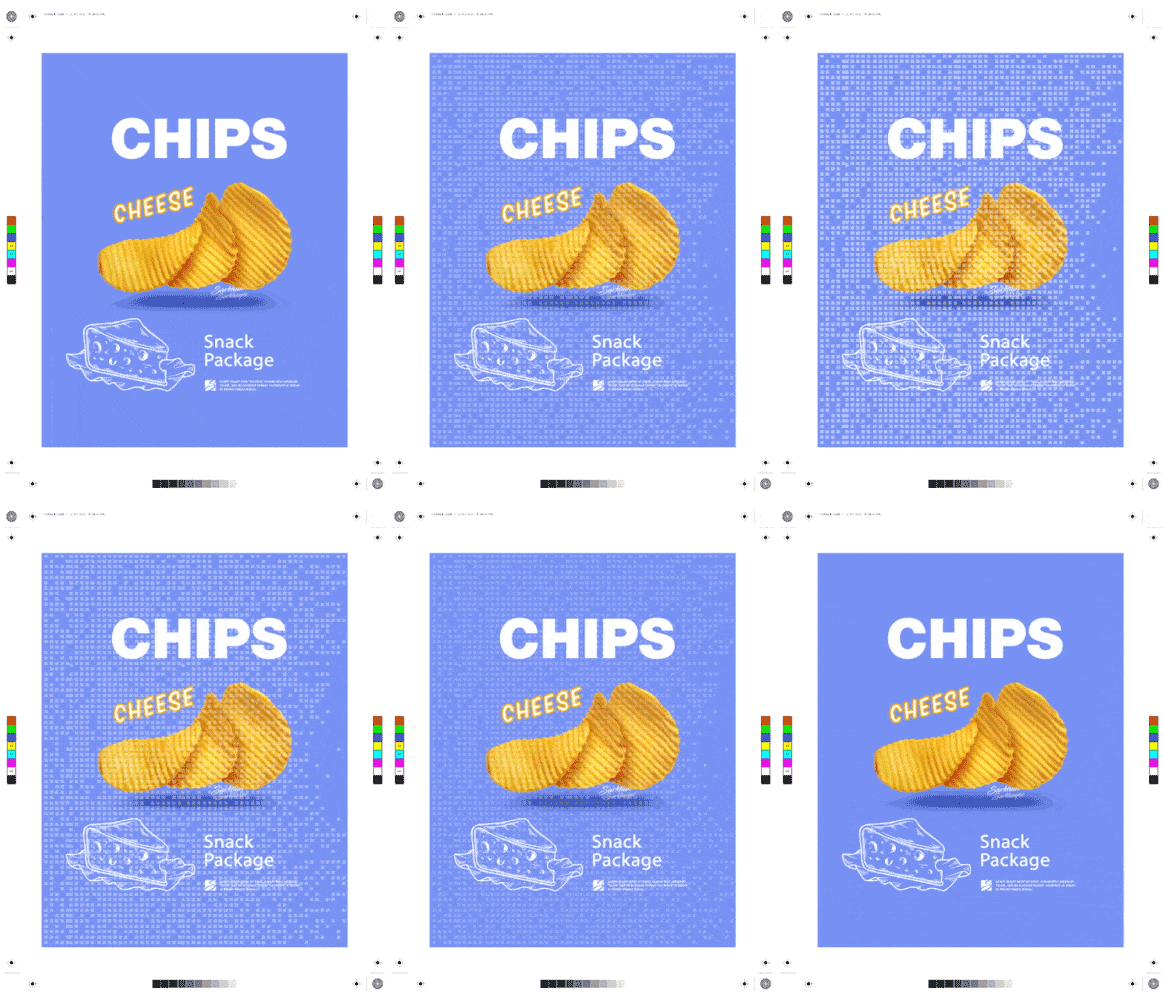
Ennoventure provides an invisible, cryptography-based authentication platform that turns existing packaging artwork into a secure carrier of digital signatures. Instead of adding extra labels, holograms, or new materials, brands upload their current designs, and Ennoventure’s algorithms embed encrypted markers directly into the artwork layers, enabling smartphone-based verification without line changes or major capital expenditure.

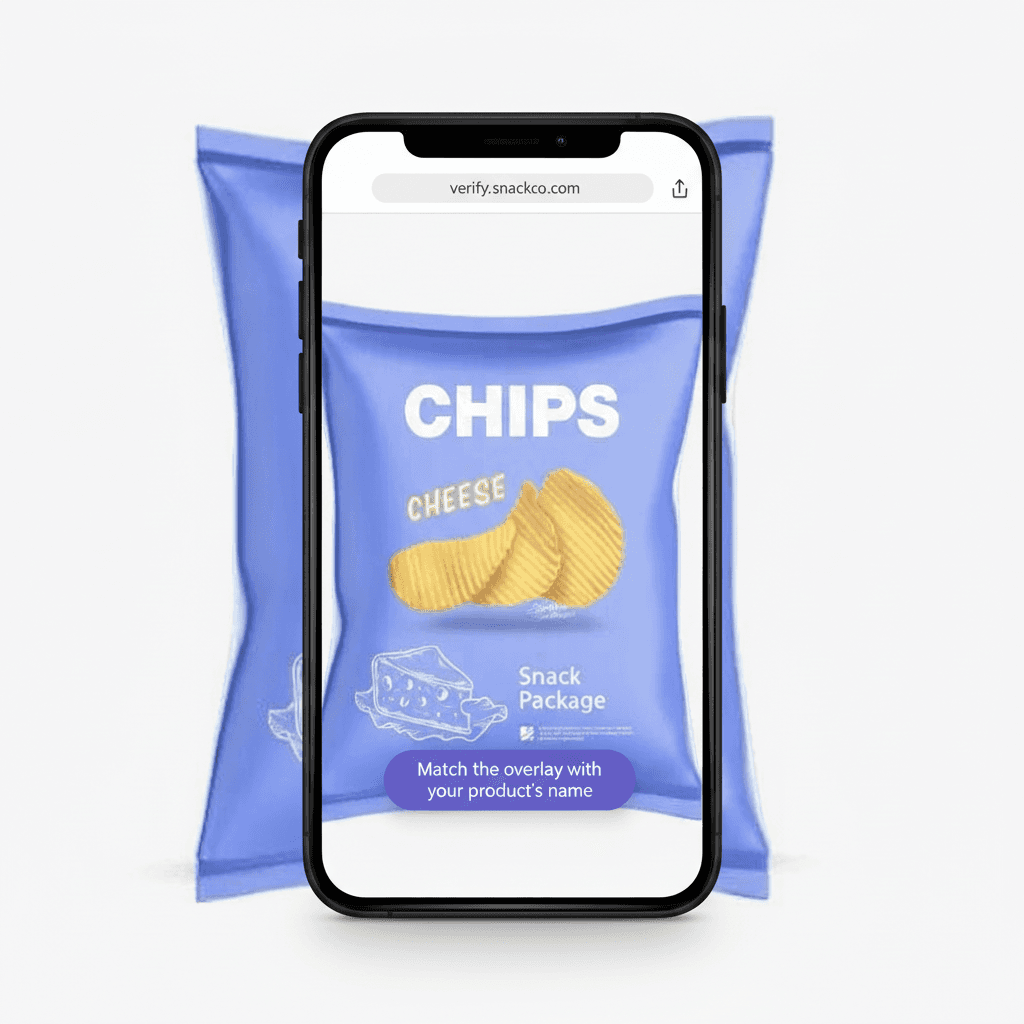
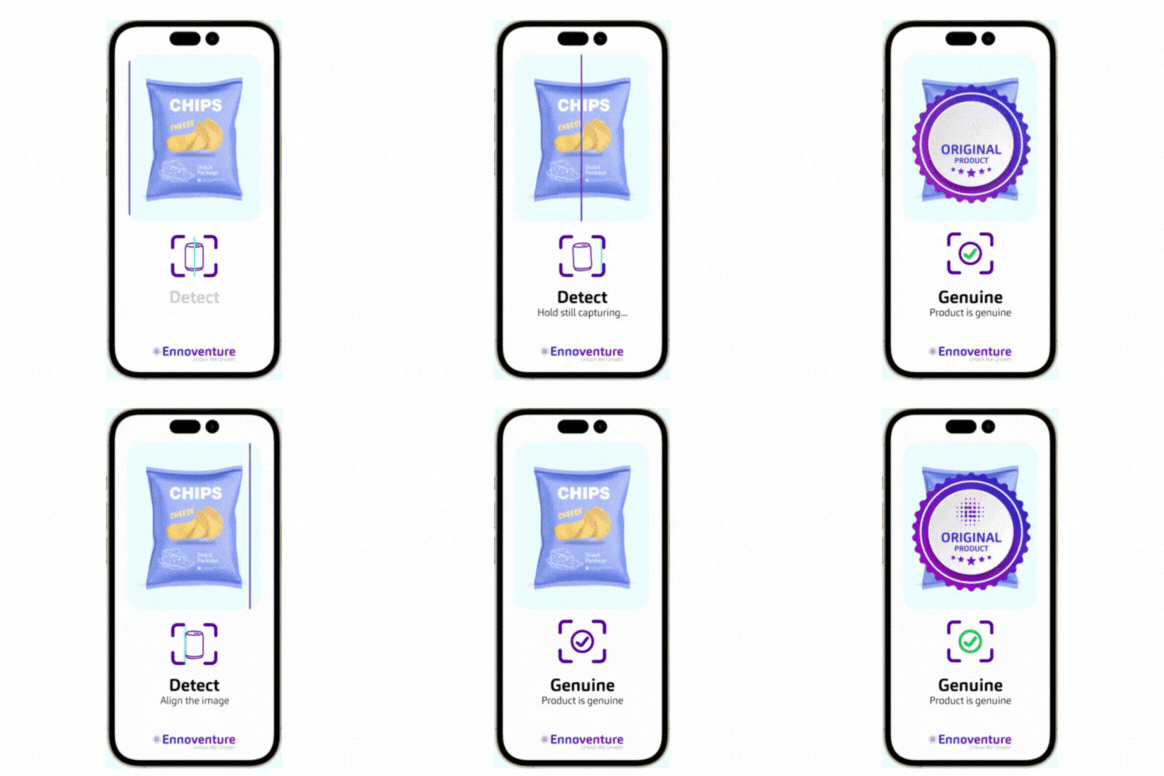
When a stakeholder scans the product using a smartphone camera, web microsite, or partner interface, the system checks the invisible signature against secure cloud infrastructure and confirms whether the item is genuine. Every interaction creates a time- and location-stamped event, feeding real-time dashboards that show where products are moving, where suspicious scans occur, and how customers are engaging with packaging.

  • Invisible cryptographic signatures: Secure markers are woven into the packaging artwork and are extremely difficult for counterfeiters to detect or replicate accurately.

  • Zero line change deployment: Brands can roll out protection quickly using existing prepress workflows, avoiding new printers, inks, or complex retrofits on production lines.

  • Smartphone-first verification: Any authorized user with a standard smartphone can authenticate a product, removing dependence on proprietary scanners or hardware.

  • Real-time intelligence: Scan data powers dashboards that highlight counterfeit hotspots, diversion routes, and high-value opportunities for enforcement or channel optimization.

  • Cross-industry coverage: Ennoventure works with brands in FMCG, pharmaceuticals, electronics, automotive, and other sectors, tailoring deployment to each industry’s risk profile.

Coverage in media outlets such as Forbes India highlights how this invisible technology is being used to secure pharmaceutical supply chains and give regulators and patients an easy way to check product authenticity at the point of use.

Practical Example & Industry Context

In pharmaceuticals, a company can embed Ennoventure’s invisible signature into the carton artwork of each batch without altering the visible design. Distributors, pharmacists, and inspectors scan the packaging using their smartphones; the system confirms authenticity in seconds and records each interaction, helping identify diverted or falsified stock before it reaches patients. This supports serialization, pharmaceutical track-and-trace programs, and brand-led counterfeit detection campaigns.

For FMCG and food brands, invisible signatures and smart packaging transform everyday products into secure, connected touchpoints. A scan can both confirm authenticity and trigger experiences like recipe content, loyalty enrollment, or geo-targeted campaigns, allowing marketing and security teams to work from the same data set and increasing brand authenticity and customer loyalty.

In electronics, automotive, and industrial segments, component-level authentication helps service centers and resellers differentiate genuine parts from unsafe imitations. Embedded signatures and serial data support warranty validation, after-sales service quality, and root-cause analysis when failures occur in the field, complementing broader brand protection solutions.

Trends, Innovations, and Future Outlook

Anti-counterfeiting is moving toward deeply integrated, AI-enabled systems that combine invisible packaging security, online monitoring, and data science. Machine learning and cryptographic techniques are increasingly used together to recognise patterns that human auditors would miss and to block sophisticated attempts at copying packaging or digital identities.

  • AI-driven anomaly detection: Algorithms evaluate millions of digital authentication events and metadata points to flag abnormal behaviour, such as clusters of failed authentications in a specific city or channel.

  • Blockchain and trusted databases: Some solutions record product events on immutable ledgers or synchronized registries to support audits, cross-border enforcement, and dispute resolution between supply chain partners.

  • Connected and intelligent packaging: Articles on intelligent packaging and AI smart packaging describe how invisible signatures, sensors, and contextual data can work together to deliver authentication, personalization, and sustainability insights from a single package interaction.

  • Sustainability alignment: Invisible and artwork-based signatures reduce the need for additional labels or materials, helping brands meet both security and environmental goals while supporting sustainability wins with invisible authentication.

Brands that successfully adopt these technologies tend to treat anti-counterfeiting as a strategic capability, integrating it with customer experience, channel management, and analytics rather than as a stand-alone compliance expense. Ennoventure’s library of articles, guides, and case studies provides practical blueprints for designing and scaling such integrated brand protection programs.

Further Reading & Solutions